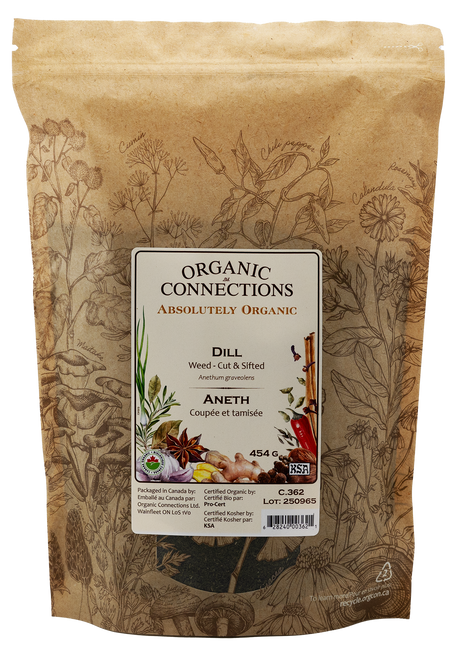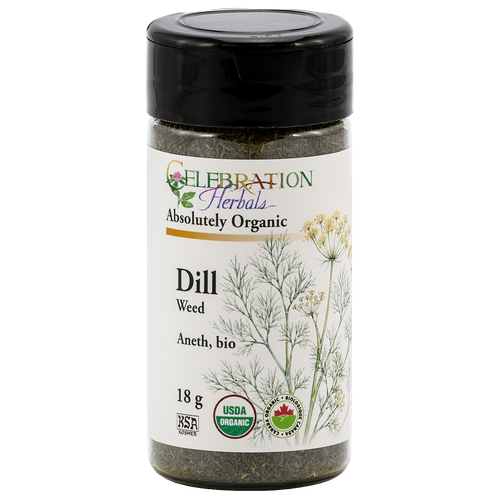

Cool as a Cucumber ~ Dill weed is the dried, feathery leaf of a slender annual herb, the same plant as Dill seed, its fresh light grassy sweetness, soft citrus, and traces of anise have travelled far beyond that region, becoming at home in northern, central, and eastern European cooking.
Dill has been cultivated since antiquity, appearing in Greek and Roman traditions before finding a lasting place in medieval European herb gardens and cookbooks. Over time, its leaves became closely tied to fish, potatoes, cucumbers, soups, pickles, butter, cheese, and tender vegetables. Historical herbals also recorded many non-culinary uses in culture, though today Dill weed remains best known as a bright kitchen herb.
Dill and cucumber have become classic partners far beyond the pantry. The cool, watery freshness of cucumber provides a backdrop for Dill's sweet herbal notes in salads, chilled soups, yogurt sauces, and dips found across Europe, the Mediterranean, and Western Asia. Cucumbers also star in pickles, where dill leaves, seeds, and flower heads help create their iconic taste.
Prolonged submersion and infusion wash out the lovely airiness and delicate nature of the leaf. Instead, add it near the end of cooking to keep its vibrancy alive, or stir it directly into cold dishes. It also works beautifully as a garnish.
Dill brings a fresh garden edge to salmon, potato salad, yogurt sauces, carrots, cucumbers, dressings, and creamy soups. We recommend sprinkling Dill on hard-boiled eggs or adding it to bread dough for an herby touch.