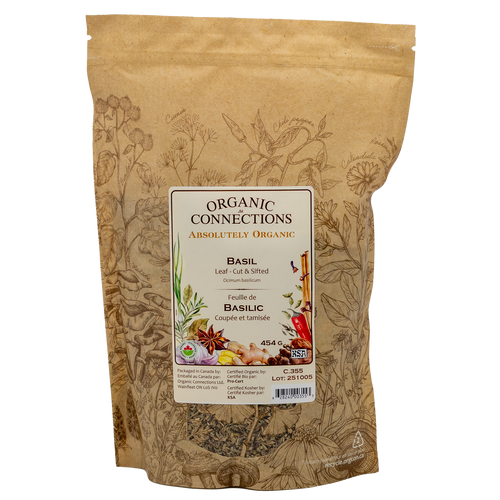
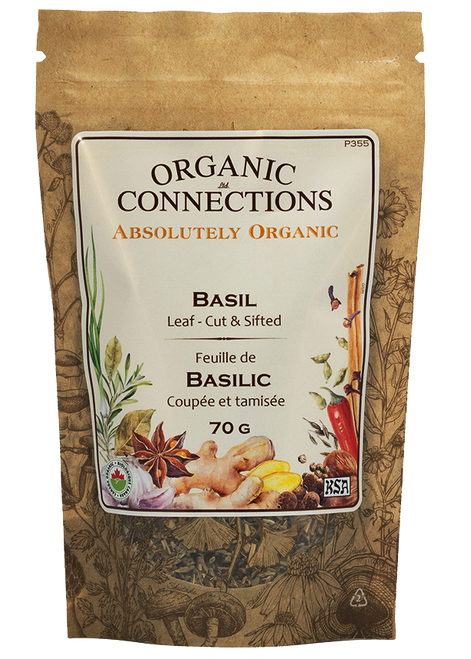
Culinary Classic ~ Now one of the world’s most familiar culinary herbs, Basil has travelled through kitchens and cultures for centuries. It holds a particularly valued place in Italian cooking, where it is closely associated with tomato sauces, pizza, pasta, olive oil, and soft cheeses. It also pairs well with summer vegetables such as Tomatoes, Zucchini, Eggplant, Peppers, and Corn ~ brightening dishes and making everything a bit fresher.
Basil’s story began across tropical and subtropical Asia, where it grew in warm, seasonally dry landscapes before it was taken abroad via trade, migration, and cultivation. Over centuries, many distinct varieties were created by horticulturalists, which became woven into culinary traditions in Southeast Asia, the Mediterranean, the Middle East, Africa, and beyond. Its name has gathered layers of folklore and symbolism along the way, yet Basil’s most enduring role remains at the table ~ bringing its unmistakable herbal presence to shared meals.
This is Sweet Basil, the familiar kitchen Basil most closely tied to Italian and Mediterranean cooking. It is not Thai Basil ~ AKA Tulsi or Holy Basil ~ which tastes more strongly of Licorice and spice. Sweet Basil is softer, rounder, with a more subtle pepper note, and mild Anise/Clove notes. In dried form, its fresh green brightness becomes warmer and more concentrated, making it especially useful.
You can add Basil early to sauces, soups, and braises to fully incorporate the herb. It also works well in breads, dressings, and stews or anywhere you want a bit of a bright, fresh note and herby-sweet standout. Our preferred way to use it is at the very last minute of preparing a pasta sauce or right on top of a pizza with some red pepper flakes before serving ~ so the intensity of its freshness and character can shine bright.
Basil’s story began across tropical and subtropical Asia, where it grew in warm, seasonally dry landscapes before it was taken abroad via trade, migration, and cultivation. Over centuries, many distinct varieties were created by horticulturalists, which became woven into culinary traditions in Southeast Asia, the Mediterranean, the Middle East, Africa, and beyond. Its name has gathered layers of folklore and symbolism along the way, yet Basil’s most enduring role remains at the table ~ bringing its unmistakable herbal presence to shared meals.
This is Sweet Basil, the familiar kitchen Basil most closely tied to Italian and Mediterranean cooking. It is not Thai Basil ~ AKA Tulsi or Holy Basil ~ which tastes more strongly of Licorice and spice. Sweet Basil is softer, rounder, with a more subtle pepper note, and mild Anise/Clove notes. In dried form, its fresh green brightness becomes warmer and more concentrated, making it especially useful.
You can add Basil early to sauces, soups, and braises to fully incorporate the herb. It also works well in breads, dressings, and stews or anywhere you want a bit of a bright, fresh note and herby-sweet standout. Our preferred way to use it is at the very last minute of preparing a pasta sauce or right on top of a pizza with some red pepper flakes before serving ~ so the intensity of its freshness and character can shine bright.